
Eye Donation — donate your eyes to help someone to see
(01) — The basics
What is eye donation?
- 01
Only the cornea is used
The only part of the eye used for transplantation is the cornea.
- 02
Timely donation
Eyes should be donated within 6–8 hours of death.
- 03
Quick procedure
The total removal time for the eyes is about 15–20 minutes.
- 04
Impact
A single person's eye donation can help two corneal blind individuals regain their sight.
- 05
No cost
There is no charge for making an eye donation.
- 06
No disfigurement
Eye donation does not cause any disfigurement to the donor's body.
- 07
Confidentiality
The identity of both the donor and recipient is kept confidential.
- 08
No delay in funeral
The process does not delay funeral arrangements.
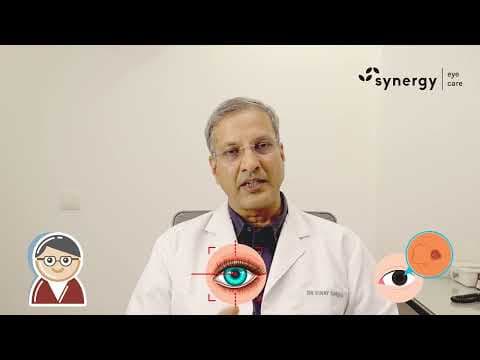
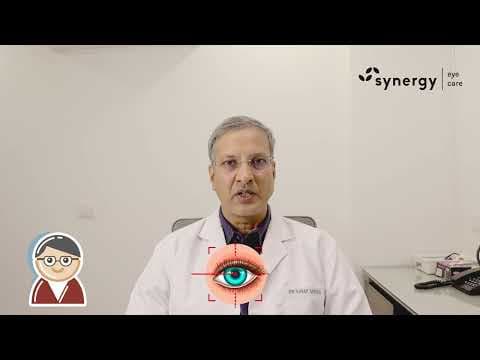
(02) — A message from Dr. Vinay Garodia
Why eye donation matters
(03) — Myths
Myths about eye donation
Myth 1
Eye donation will disfigure the face or body.
Myth 2
A person who donates their eyes will be born blind in their next life.
(04) — Eligibility
Who can donate eyes?
Eligibility
People of any gender and age can donate their eyes.
Religion
Eye donation is possible regardless of the donor's religion.
(05) — How to donate eyes?
Donation can happen in either of these ways
Pledge during lifetime
- The donor can visit an eye bank and pledge their eyes for donation by signing a pledge form, which must be signed by a witness. The form is then submitted to the eye bank.
- At the time of the donor's death, the relative or friend who witnessed the pledge should call the nearest eye bank.
After death
- The donor's relatives and friends should be well-informed and aware, so they can contact the nearest eye bank immediately after the donor's death to arrange for the eye donation.
Process of eye donation
- 01
Registration
Individuals can register as eye donors through local eye banks, hospitals, or organizations promoting eye donation. Registration often involves filling out a consent form and informing family members of your wish to donate.
- 02
After death
When a registered donor passes away, the family should inform the eye bank or hospital immediately. The eye bank then coordinates with medical professionals to perform the eye retrieval.
- 03
Retrieval
The process of retrieving the eyes is relatively quick and is done in a sterile environment to preserve the corneas. It typically happens within a few hours after death to ensure the best quality of the corneas.
- 04
Processing and matching
The retrieved corneas are carefully preserved and tested for diseases and suitability. They are matched with potential recipients based on medical needs and compatibility.
(06) — After donation
What happens next
Certificate of appreciation
The donor's family receives a certificate of appreciation from the eye bank.
Evaluation
The eyes are evaluated at the eye bank. Only those deemed suitable are used for transplantation; others are used for research and education.
Recipient notification
Recipients are notified on a first-come, first-served basis from the registry.
(07) — Contraindications
When eyes can't be donated
Systemic conditions potentially hazardous to eye bank personnel and fatal if transmitted
- HIV seropositivity
- Rabies
- Active viral hepatitis
- Creutzfeldt-Jakob disease
Other contraindications
- Subacute sclerosing panencephalitis
- Progressive multifocal leukoencephalopathy
- Reye's syndrome
- Death from unknown causes, including unknown encephalitis
- Congenital rubella
- Active septicemia, including endocarditis
(08) — The need
Why every pledge counts
Global
10 million
people worldwide suffer from corneal blindness due to diseases or injuries affecting the cornea
12.7 million
people globally need a corneal transplant (WHO estimate)
50,000
corneal transplants a year in the US, despite ~1.5 million registered donors
India
2 million+
people in India are estimated to be affected by corneal blindness
60–70k
corneal transplants performed in India annually — still far below the need
90%+
of corneal transplant recipients report significant improvement in vision
Pledge the gift of sight
One donation can help two corneal blind people see again. Talk to our team to know more.